

In this video, Allen talks through how to use our products for poultry during the winter season. He also shares some advice on poultry farming in winter that he’s received from poultry farmers.
Farming Poultry Amid Winter- Can Products Freeze?
Depending on where you are during the winter season, all sorts of things can freeze. If you store some of our products outside the heated section of your poultry house, they may freeze! Is that a big deal? We’ll walk you through all of our poultry products to find out.
Catalyst
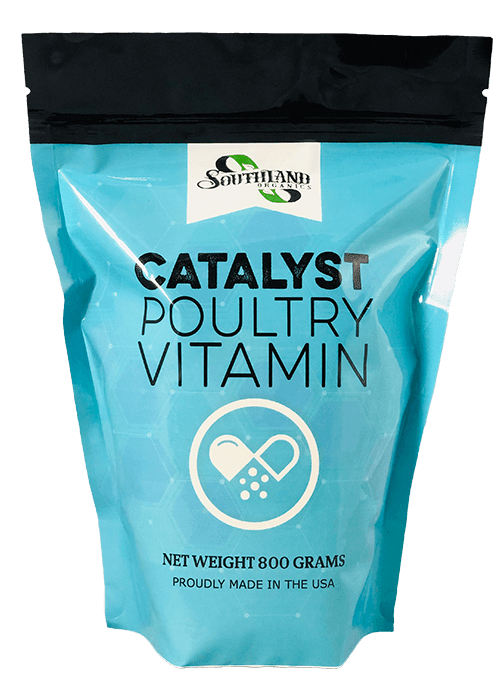
Catalyst is our multivitamin for poultry. It comes in a powder, which obviously will not freeze in the winter season. So don’t worry about Catalyst when it’s cold.
Mother Load
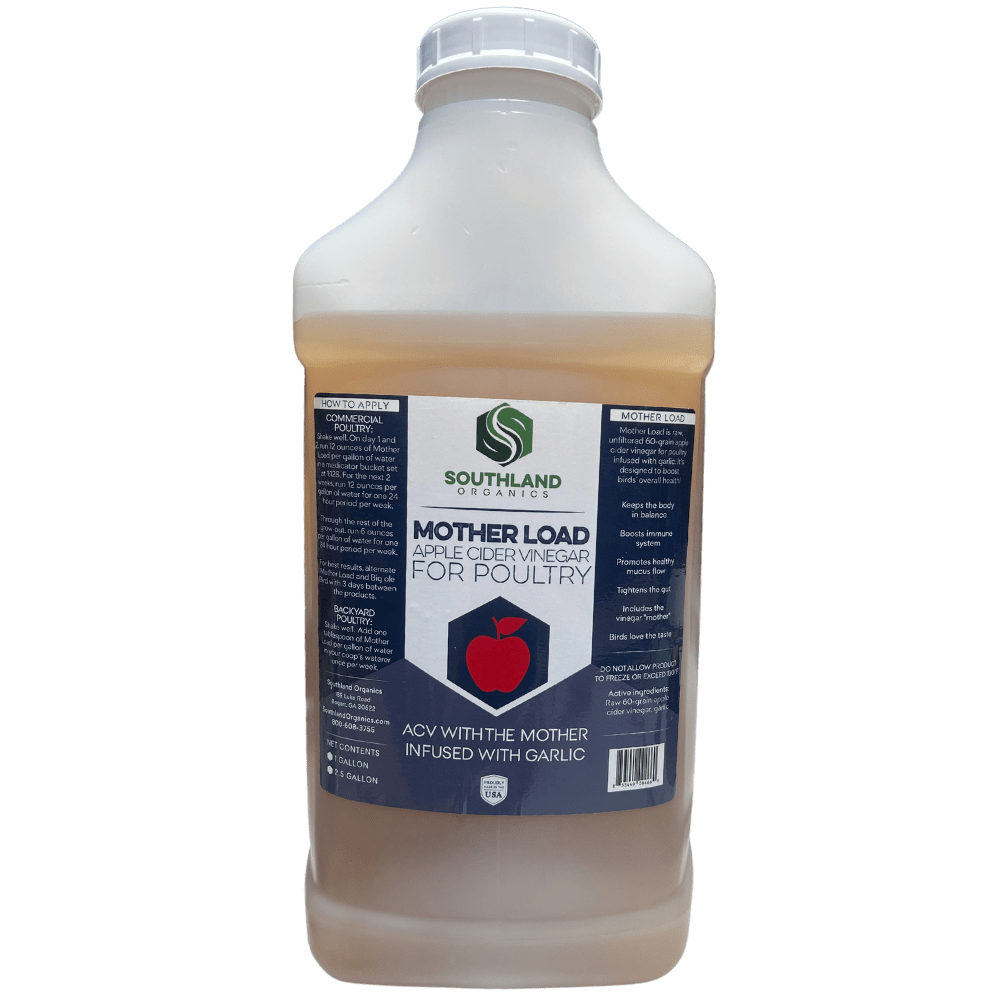
Mother Load is our apple cider vinegar infused with garlic. It’s primarily used for poultry gut health. The reason our ACV works so well on poultry digestive health is because it contains the vinegar mother. Vinegar freezes at 28 degrees Fahrenheit, so it’s definitely possible for Mother Load to freeze in the winter season. If this occurs, it’s not absolutely detrimental to the quality of the product. When it thaws, Mother Load will still have the same taste to your birds and will maintain its digestive enzymes. However, after freezing Mother Load will lose some acidity and the acetic acid bacteria will be less effective.
Basically, you can use Mother Load after it freezes and it will still offer some benefits, but it will not be as strong as it usually is. If you can keep Mother Load from freezing, that’s absolutely better. If it does freeze, no need to throw it away.
Hen Helper, Big Ole Bird and Litter Life
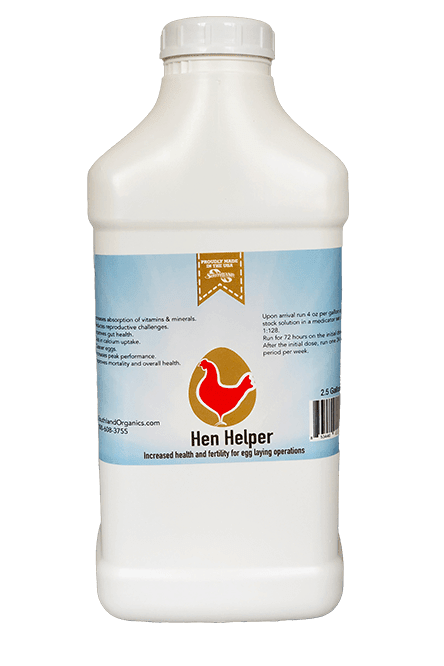
These three products have a similar base, and therefore can be treated the same in the winter season. We write “do not allow to freeze” on the labels of these products. And we will continue to do so, because it’s really best for them not to freeze. However, Hen Helper, Big Ole Bird and Litter Life really can stand one or two freezes before they lose their effectiveness.
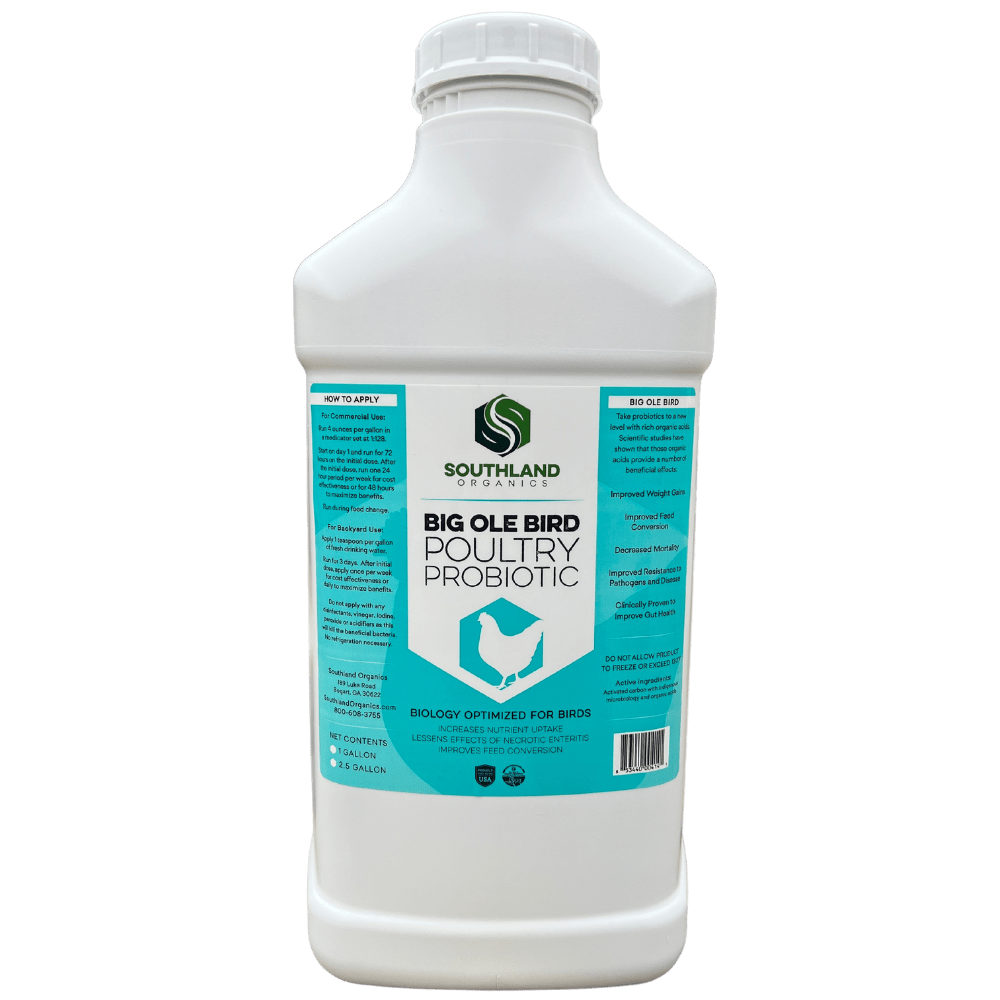 The organic acid, fulvic acid and carbon in these products are really unfazed by a freeze. But when it gets cold, the bacteria in these products form spores to protect themselves. But they can only do this a few times, and only for so long before becoming damaged.
Now that we’re in the antibiotic free poultry environment, these bacteria are really essential to poultry health. So Hen Helper, Big Ole Bird and Litter Life can definitely stand a freeze and maintain their effectiveness! But we encourage you to avoid their freezing if possible to ensure you’re getting the absolute most benefit possible out of these products.
Applying Litter Life in the Winter Season
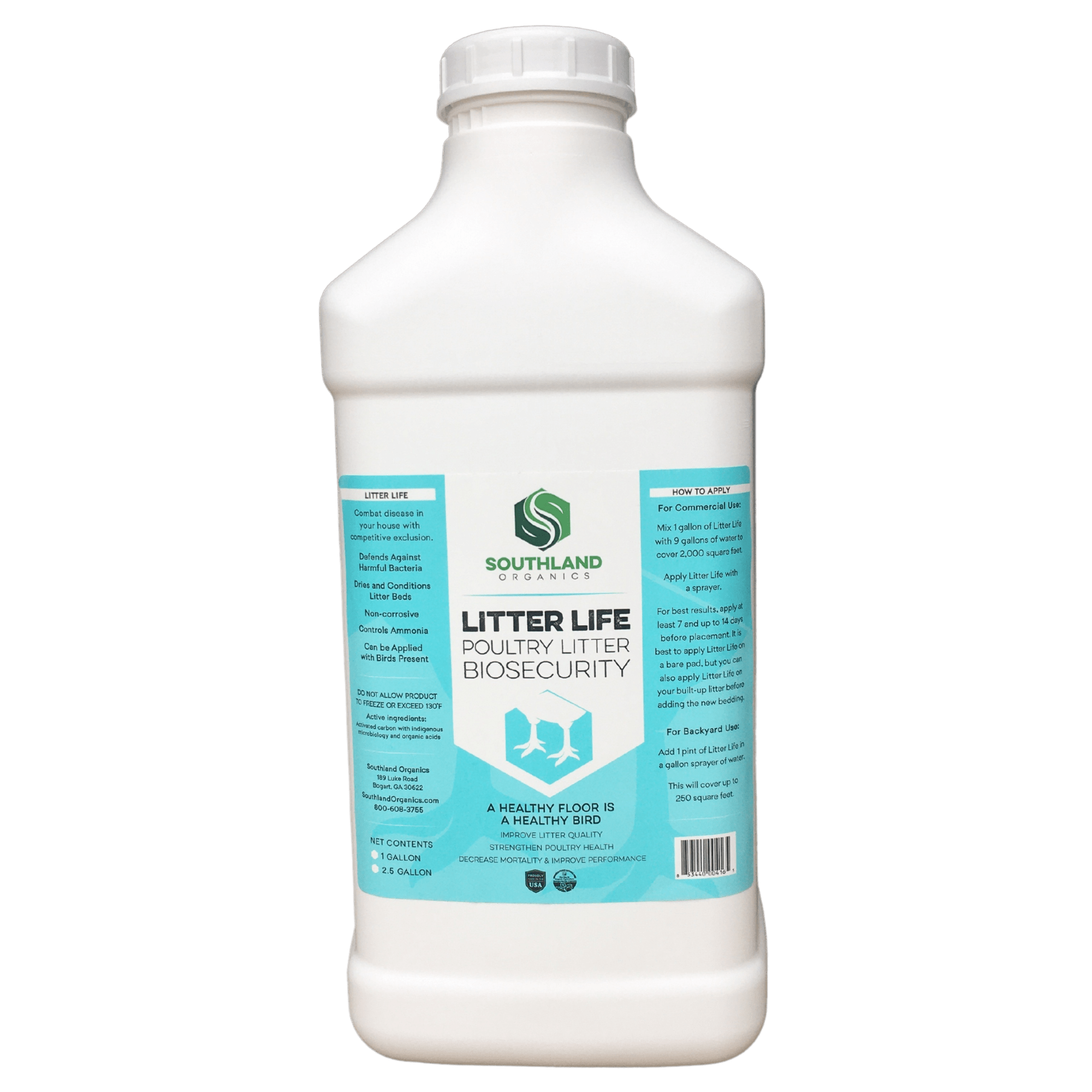
Litter Life is our litter amendment that fights harmful bacteria on poultry house bedding material. Since Litter Life is applied through a sprayer, we sometimes get questions on how to apply it in the winter season when it may be vulnerable to freeze.
One thing you can do to help with this is just run a little antifreeze into the sprayer before your run Litter Life through it. This is especially helpful if you’re traveling to another farm or house with your sprayer, therefore exposing to the elements even more.
Especially in the winter, we recommend spraying Litter Life two or three weeks before your birds get in the house. This way, it really has time to work and prepare a healthy bed of litter for your birds. Cold bacteria move more slowly, so it’s best to give more time if possible when using Litter Life in the winter season.
Keeping Houses Warm
So, what about keeping your poultry houses warm? Should you prevent cold, fresh air circulating in your houses?
The truth is, the warmer it is, the more bacteria will be active and the better our products will work. I’m sure there’s plenty to be said as far as maintaining body temperature of your birds goes, but we’re just focusing on product use and effectiveness here.
So should you kick on the gas during winter? For us, it comes down to return on investment. You should balance the amount you’re spending on gas with the benefit it will provide to your operation. In order to save money, we say keep the house shut up as much as possible. Maintain the warmth inside the house naturally.
But you also shouldn’t be so stingy with adding heat to the houses that you lose out on your investment. Investing in our products is investing in your flock’s health. The bacteria in many of our products need heat to be as active as possible. It may be worthwhile to kick the gas a bit if it means making our products work and keeping your birds healthy.
If you have an unusually warm day in the winter, open the doors and let the heat in. Get that beneficial bacteria nice and warmed up, then shut the house when the temperature starts to drop.
If you have a bacteria-related disease outbreak, it’s definitely worth it to turn on the heat and get that bacteria activated. If you’re fighting harmful bacteria in your houses, you’ll need as much beneficial bacteria as possible to beat it!
We want to hear from YOU!
This video topic was actually an idea from a poultry grower we know. We are eager to help poultry farmers as much as possible. If you have an idea of something we can cover to help you or other growers you know, please let us know! You can email allen@southlandorganics.com or call 800-608-3755.
Check out more topics on our YouTube channel!
Written by
Content Manager (Former)
Agricultural content specialist • Poultry industry researcher
Isabella served as Content Manager at Southland Organics, creating educational resources that help farmers understand and implement organic solutions for poultry, turf, and agriculture.
View full profileReviewed by

Founder & CEO
20+ years in organic agriculture • Humate & soil biology specialist
With years of experience in humate deposits and soil biology, Mike brings practical knowledge from the field to every conversation. He founded Southland Organics to create sustainable solutions that work with nature, not against it.
View full profile

