

Summers are filled with fun, from days by the pool to fresh produce from the summer garden. But let’s face it, sometimes the heat is a little overbearing. In the case of our feathered friends, too much heat can be stressful, dangerous and sometimes even deadly. That’s why we’re covering heat stroke in backyard birds—what it looks like, what to do if it happens and how to prevent it to begin with!
Signs of Heat Stroke and Heat Exhaustion

Like dogs, birds don’t sweat. Their number one mechanism of releasing excess body heat is respiration. Because of this, panting is one of the first signs of heat stress and heat stroke. Your birds may be seen walking around the coop, behaving normally except that they’re panting in an effort to regulate body temperature. They might hold their wings away from their body to allow extra air flow to their unfeathered areas. Chickens under heat stress will also decrease feed intake. These birds are not in immediate danger but should be moved somewhere with cooler temperatures.
Birds in danger of severe heat stress—heat exhaustion—will pant and hold their wings away from their body, but in a more exaggerated manner. You may also notice changes in their social behavior and the color of their comb and wattle.
How to Help
For birds in danger of heat exhaustion, your goal is to lower their core body temperature as safely as possible. One of the quickest ways to do this is by submerging their entire body in cool water. It’s important that this water is cool but not ice cold—water too cold can shock their system and make things worse! After their cool bath, place them in front of a fan somewhere cool to get the cool air flowing.
Soon, you’ll start to notice their breathing go back to normal and the color return to their comb and wattle!
Prevention
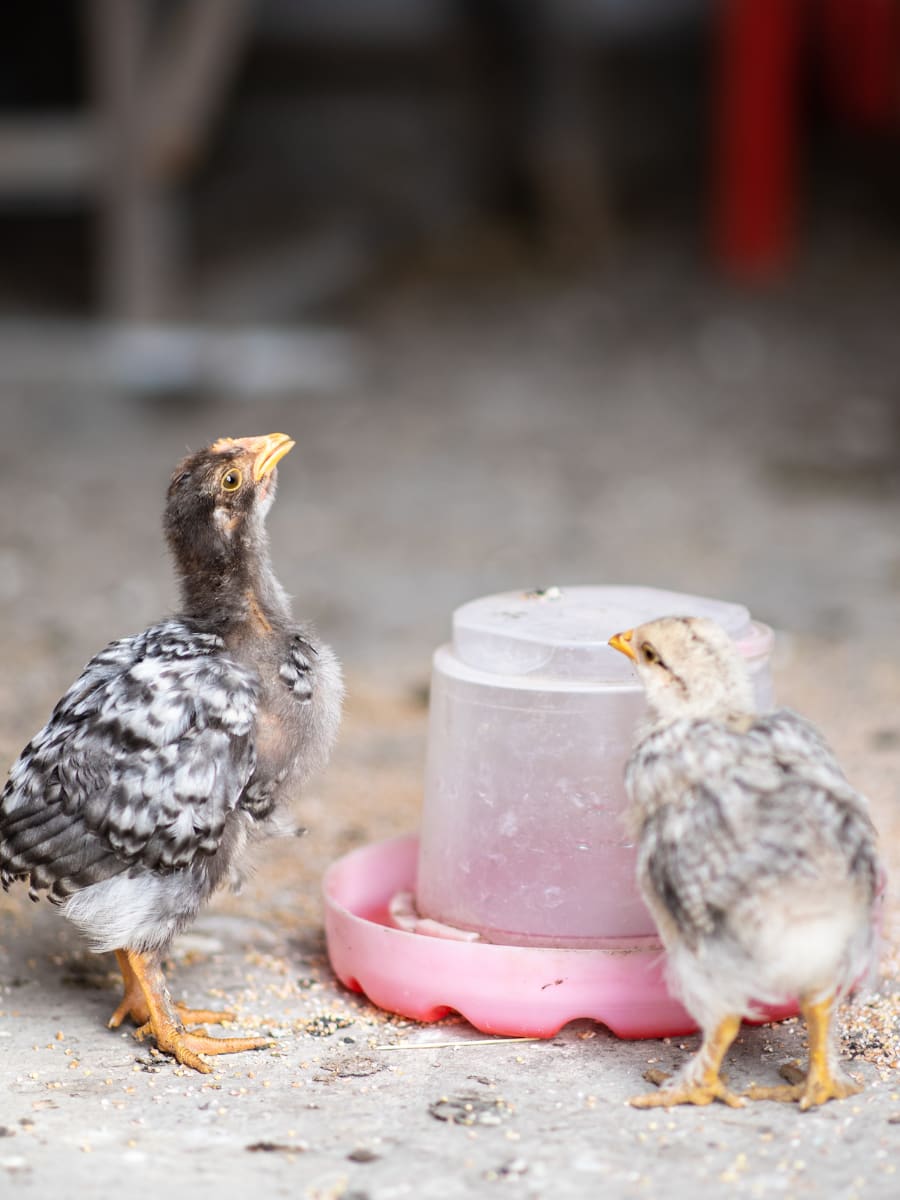
There are some simple ways to help prevent heat stress and heat stroke, and they aren’t all that different than what humans need to stay cool. The basic principles are water, shade and ventilation.
When temperatures are above the ideal temperature range for bird comfort and heat production is high, birds should always have the option to step out of the sun into a shaded area. It’s also important that the indoor or covered space is well-ventilated. The indoor portions of small coops tend to get stuffy and even hotter than some outdoor spaces. This can be as simple as setting up a small fan to reduce the air temperature!
Birds always need fresh, clean drinking water, but it’s even more important during the extreme heat of the summer months. The heat and sunshine also make a great place for algae and other gunk to grow in your birds’ waterers, so make sure you’re changing the water regularly and keeping them clean.

When temperatures are high, chickens’ electrolytes are used more and their bodies lose them at a faster rate. Adding an electrolyte supplement like our Hen Helper into your hens’ water helps keep their electrolyte levels stable even in overheating conditions. (Plus, it helps with egg production and more!) And offering frozen treats to your birds is a great way to cool them down on hot days.
Contact Us
The summer heat brings with it longer days and loads of fun, but we should always be conscious of the danger it can pose to our feathered friends. Heat stroke can be serious and deadly but is also easily preventable. Make sure your birds are staying cool, keep an eye out for the early signs of heat stroke, such as chickens panting, and act quickly when they appear! Do that, and you and your birds will beat the summer heat together!
If you have any questions for us, please email success@southlandorganics.com or call 800-608-3755. Be sure to subscribe to our YouTube channel for more information on raising happy, healthy chickens! Until next time, stay cool out there!
Sources
Preventing Heat Stress in Poultry, University of Minnesota Extension
Written by

Team Member
Erin is a valued member of the Southland Organics team, helping deliver organic agricultural solutions to growers.
View full profileReviewed by

Founder & CEO
20+ years in organic agriculture • Humate & soil biology specialist
With years of experience in humate deposits and soil biology, Mike brings practical knowledge from the field to every conversation. He founded Southland Organics to create sustainable solutions that work with nature, not against it.
View full profile

