

It seems a little early to be thinking about carving jack-o-lanterns or baking pumpkin pie, but if you want your own homegrown pumpkins from seed, the process starts now! Here’s how to grow pumpkins from seeds.
Types of Pumpkin Plants
Before you plant pumpkins, you’ll need to decide what variety you’d like to grow. Not every pumpkin plant can be turned into a sweet pie, and some are better for carving. Read on to learn how to pick what to grow in your pumpkin patch.
Pumpkins for Carving
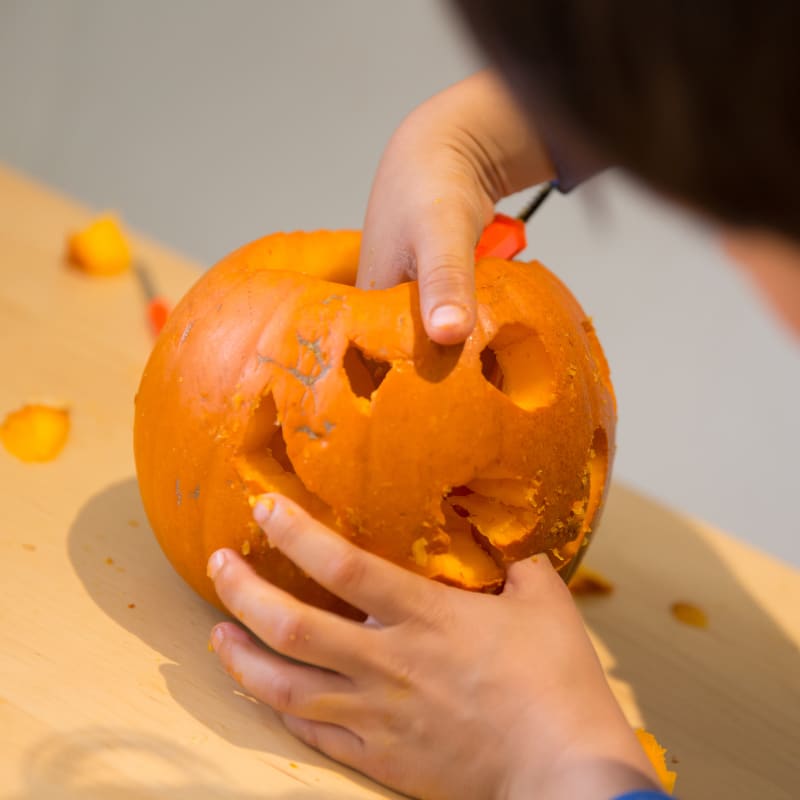
Carving pumpkins typically have thinner walls, making them easier than other pumpkins to cut into and carve. Autumn Golds are medium, round, orange pumpkins that are great for carving or decorating.
Captain Jack pumpkins are some of the most classic jack-o-lantern varieties. They’re large and tall with a barrel shape. Magic lantern and dickenson pumpkins are also popular for carving.
Pie Pumpkins
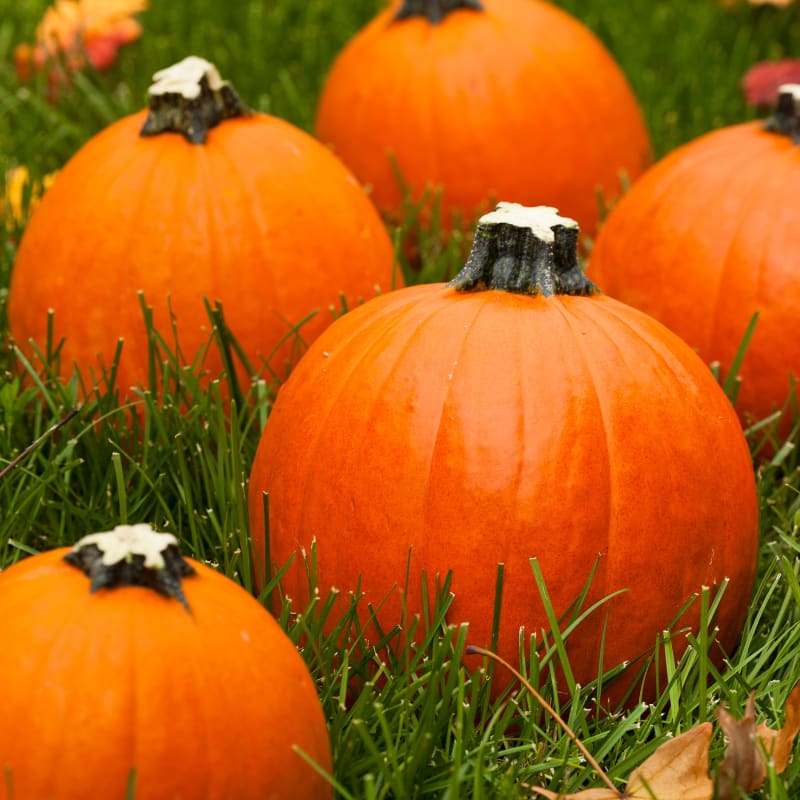
Sugar Treat pumpkins are a semi-bush hybrid ideal for cooking and baking. Fairytale pumpkins are also good for baking. They’re more squatty and heavily ribbed than post pumpkins. Many people think sugar pie pumpkins are the best for pies! This is because of their smooth texture and sweet flesh.
Colorful, Decorative Pumpkins
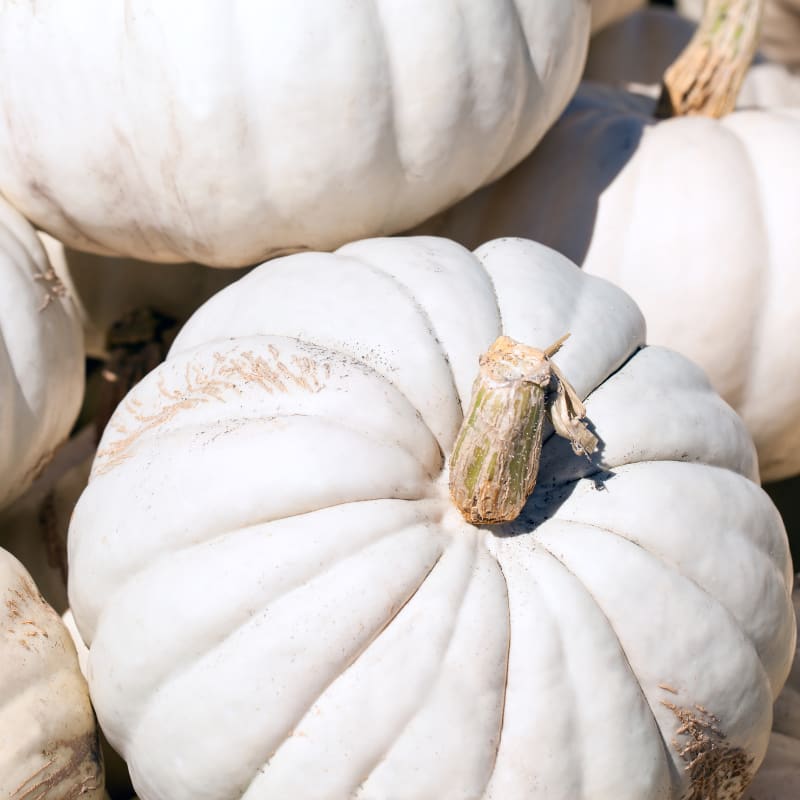
Jarrahdale pumpkins have blue-green skin and make for great decorations. Pepitas Pumpkins are the variety with orange and green skin. Lumina and moonshine white pumpkins are medium-sized white pumpkins that work great for balancing a color scheme.
Miniature Pumpkins
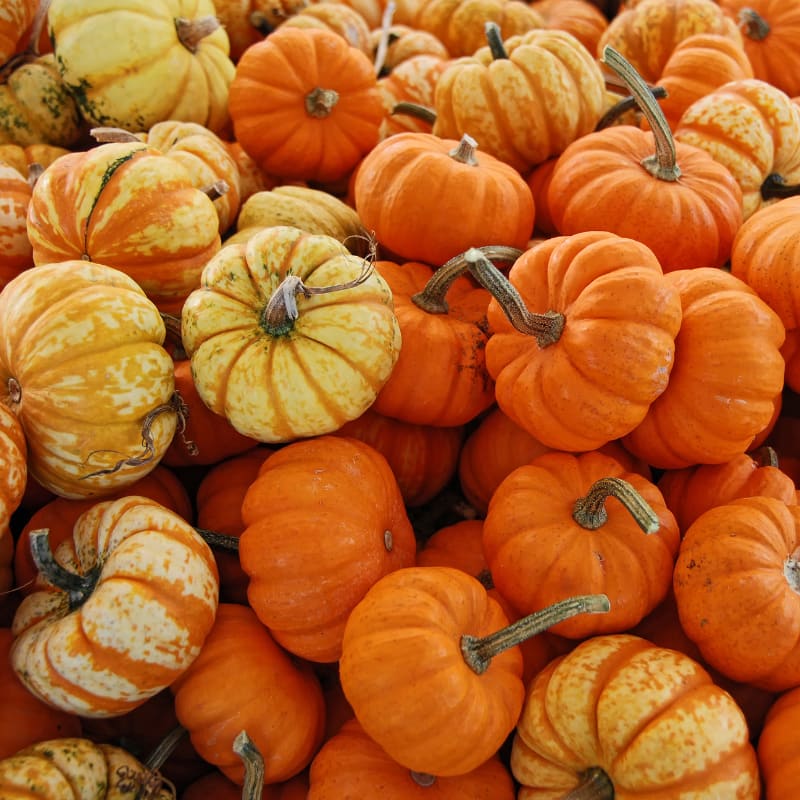
Mini pumpkins are great for table decorations and crafts for kids. These are also a good option if you have a smaller area to work with. Jack-Be-Little pumpkins are good for roasting or decorating. Baby boos are the small white pumpkins, and Wee be Littles are the tiny round orange pumpkins. Hooligans are small with an orange and white textured skin.
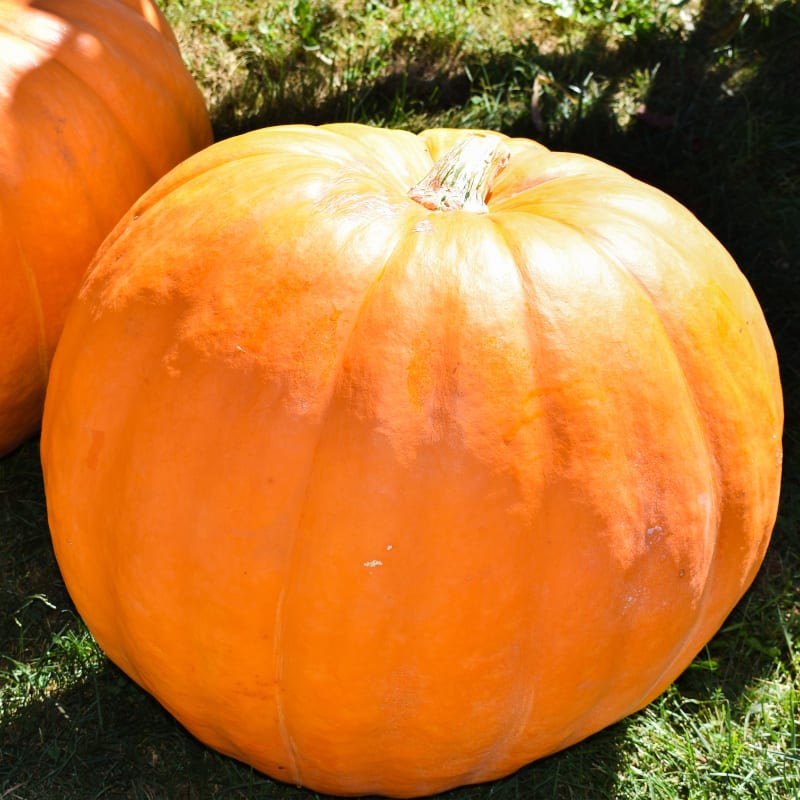
Giant Pumpkins
On the other hand, you might be interested in growing the largest pumpkins possible! Gold rush, Connecticut field and Juane de Paris pumpkins are some great options for giant pumpkins.
How to Plant Pumpkin Seeds
Pumpkins grow best in soil pH of 6.5-6.8. If you’re uncertain about how soil pH works, check out our blog! Since pumpkins are heavy feeders, it’s recommended to add compost or another soil conditioner to your bed before planting pumpkin seeds.
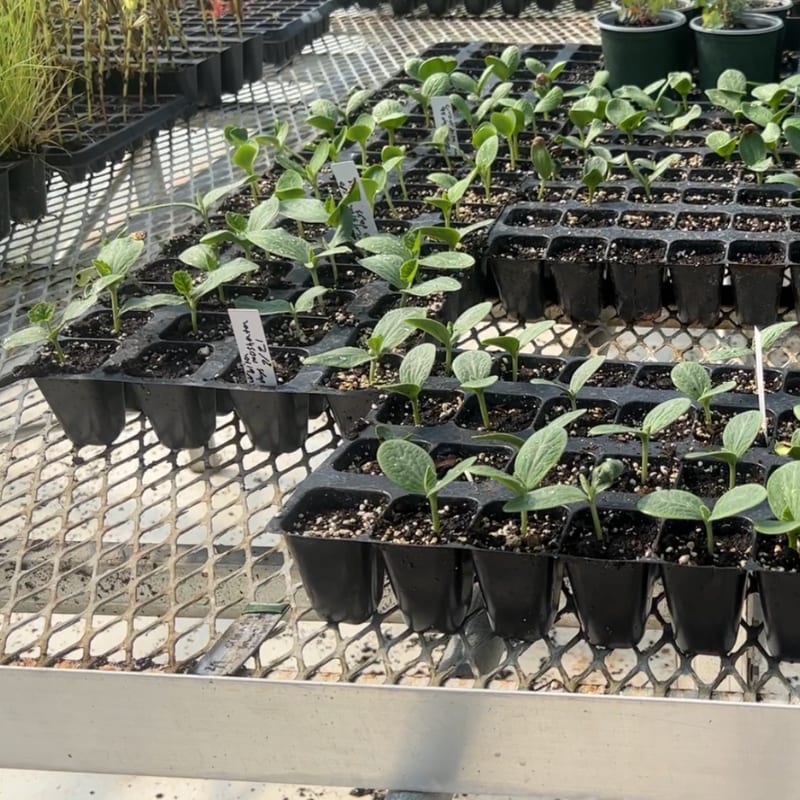
Plant seeds one inch deep directly into the ground. You can start pumpkins as early as three weeks before the last frost date in your region. If you live in an area with cold weather, you may need to start seeds indoors.
We started our pumpkins in our greenhouse in mid-July.
Growing Pumpkins in a Garden
After you plant your pumpkin seeds, they’ll need a lot of care. Below are some tips for growing pumpkins from seeds in your garden.
-
Pumpkins need a lot of room and a have a long growing season. If you live in the south, try to plant in early July.
-
Pumpkins do best when the seeds are planted directly in the ground.
-
Pumpkins are HEAVY feeders, pumpkins grow best with rich soil. Make sure to use compost before you sow seeds. Soil conditioners are great to use when preparing your soil.
-
Pumpkins are very thirsty. Make sure to water the plants 1 inch per week.
-
Pinch off the fuzzy ends of each vine after a few pumpkins have formed. This will stop vine growth so that the plant’s energies are focused on the fruit.
-
Pumpkin flowers can be either male or female. Male flowers naturally fall off sooner, so don’t worry if you notice a lot of fallen flowers. As long as the female flowers get pollinated, you’re good to go.
-
Using trellises may help with disease and insect pressure. Powdery mildew is a common threat to pumpkin plants grown in hot, humid areas like Georgia.
-
Once the pumpkins have formed, you may want to roll them occasionally to prevent soft spots where the fruit touches the ground.
Harvesting Pumpkins
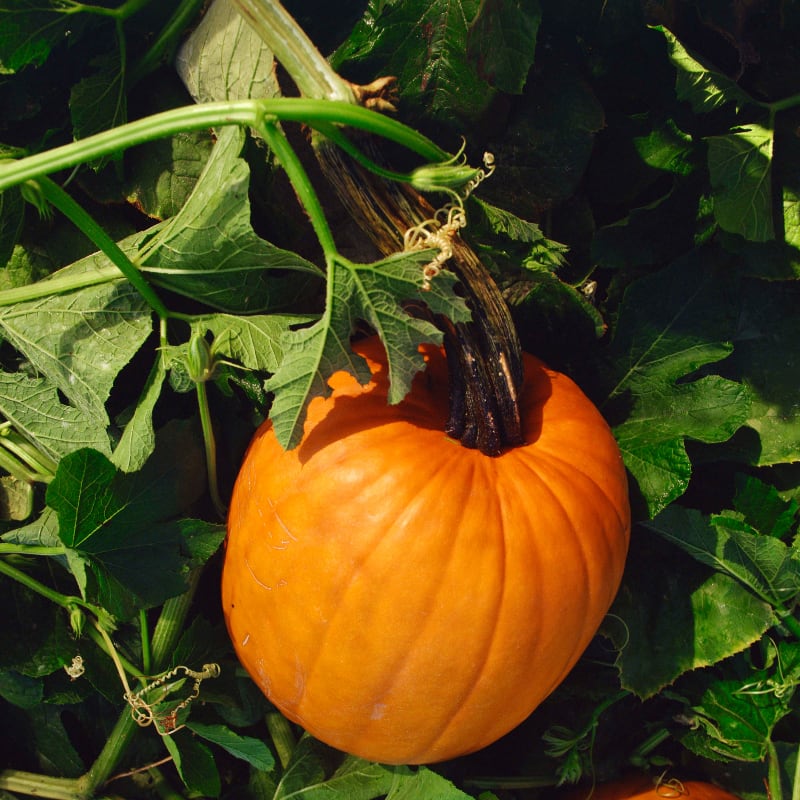
When you harvest pumpkins, cut the pumpkin off the vine carefully with a sharp knife or pruners. Do not tear their vines! Make sure to be careful because pumpkins can bruise.
You can cure pumpkins by keeping them in a dry, warm place for a week or two. This will harden their skin, keeping them from deteriorating as quickly and helping them last longer.
After curing, you can store pumpkins in a cool, dry place until you’re ready to carve, decorate or bake with them!
Questions?
If you have any questions about gardening, soil health or our products, please don’t hesitate to reach out! You can email us at success@southlandorganics.com or give us a call at 800-608-3755.
Written by
Content Manager (Former)
Agricultural content specialist • Poultry industry researcher
Isabella served as Content Manager at Southland Organics, creating educational resources that help farmers understand and implement organic solutions for poultry, turf, and agriculture.
View full profileReviewed by

Founder & CEO
20+ years in organic agriculture • Humate & soil biology specialist
With years of experience in humate deposits and soil biology, Mike brings practical knowledge from the field to every conversation. He founded Southland Organics to create sustainable solutions that work with nature, not against it.
View full profile

