

Hepatitis is a viral disease syndrome derived from several families of viruses that vary based on poultry species. In commercial poultry, birds are often vaccinated for fowl adenoviruses associated with inclusion body hepatitis (IBH) and hepatitis hydropericardium syndrome (HHS).
The 5 Main Functions of a Chicken’s Liver
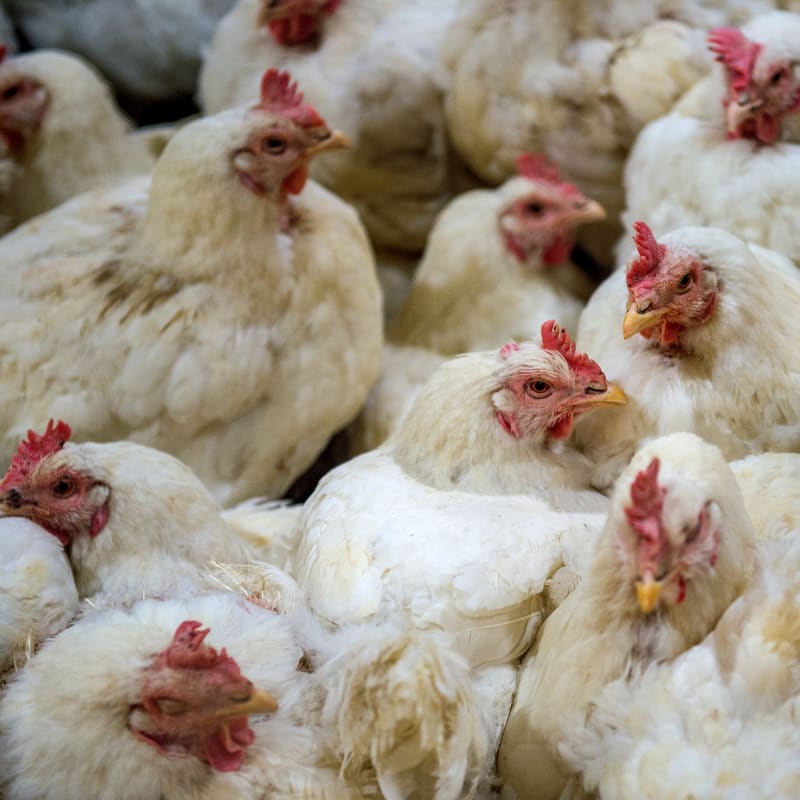
The liver plays an essential role in chickens’ day to day health. It’s responsible for bioproduction, taking in nutrients and getting rid of waste, the metabolism of vitamins, immune support and detoxification of blood. Overall, hepatitis severely impairs the liver, so understanding inclusion body hepatitis starts with understanding the importance of a chicken’s liver. Here are the five main functions of the liver:
1. Bile production: The liver is responsible for producing bile for a chicken’s body. Bile facilitates solubilization and absorption of fats as well as excretions of digestive waste.
2. The metabolism of fat soluble vitamins: This includes vitamins A, D, E and K, which are essential to a chicken’s health.
3. A functioning liver is necessary for immune function and proper balance of blood cells.
4. Lipogenesis: The triglyceride formation from glucose. By producing triglycerides, the liver makes it possible to transport and store fatty acids in plasma and cells throughout the body. These fatty acids can then be converted to usable energy for metabolism or stored as fats.
5. Detoxification: The liver helps process metabolic end products. This includes dead red blood cells, bile pigments, internal ammonias, chemicals such as heavy metals, feed contaminants such as mycotoxins and carcinogens.
Inclusion Body Hepatitis- IBH
Inclusion body hepatitis is an adeno virus. IBH has very serious consequences for birds, especially those who are not already in their best health. It’s not uncommon for affected birds to die. Mortality can be seen in birds less than 6 weeks and as young as 4 days. Generally, IBH has a very abrupt onset compared to other avian diseases. Mortality can range from 2-40% in IBH and 20-80% in HHS.
Inclusion body hepatitis is one of those nasty immunosuppressive viruses that makes birds more vulnerable to secondary bacterial infections, like infectious bursal disease.
There are a few other viral hepatic diseases that attack a bird’s liver but vary in biological features and clinical signs. Read on to learn about these variations.
Hepatitis Hydropericardium Syndrome- HHS
HHS has similar effects as IBH, but infected birds experience added fluid build up in the pericardium.
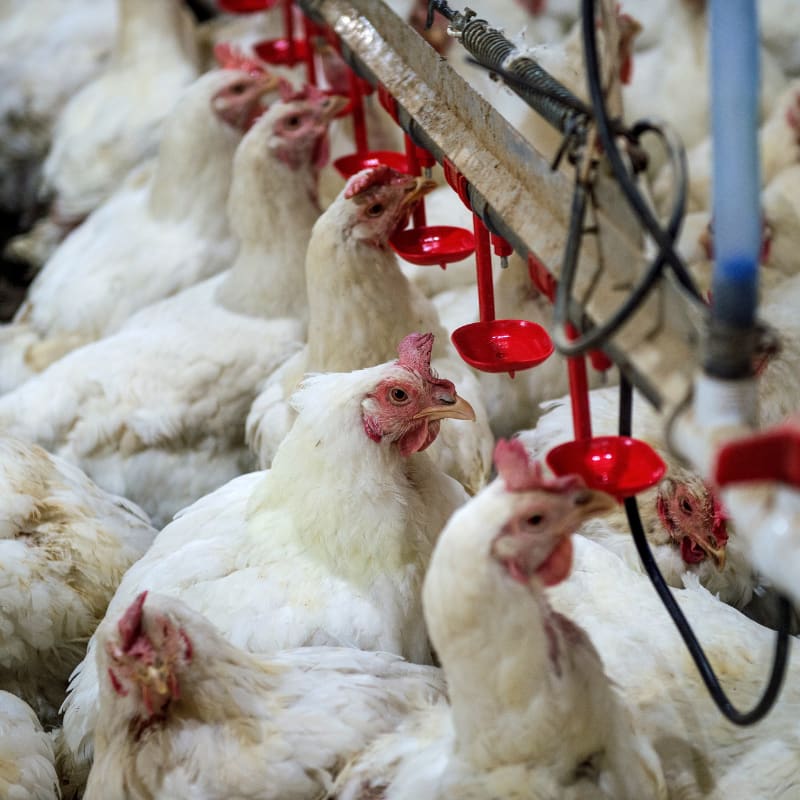
The pericardium is a fluid filled sac around the heart that allows it to beat without friction. If too much much fluid accumulates in the pericardium, it becomes difficult for the heart to expand and fill properly.
Avian Hepatitis E Virus
Avian hepatitis E virus is one variation of avian hepatitis. It causes a form of hepatitis and attacks the liver, but does not cause IBH.
Turkey Hepatitis Virus- THV
Turkey viral hepatitis targets the liver like other varieties of hepatitis, but produces different features in affected birds. Unlike IBH, which is an adeno virus, THV is caused by a picorna virus.
Hepatitis Splenomegaly Syndrome
This is a complex disease syndrome caused by avian hepatitis e virus. Also know as big spleen syndrome, hepatitis splenomegaly syndrome is characterized by the swelling and inflammation of liver and spleen along with traditional signs of hepatitis.
Clinical Signs of Inclusion Body Hepatitis
Non-specific clinical signs of inclusion body hepatitis include lethargy, huddling, decreased feeding and ruffled feathers. The virus usually lasts about a week.
The biggest red flag for IBH in the liver include swelling and yellow discoloration to the liver tissue and droppings. Yellow droppings are more specifically caused by bile build up, a side effect of a defective liver. As we detailed in our Scoop on Poop series, your birds’ droppings are one of the best indicators of their health.
A presumptive diagnosis for avian IBH can be made based on a flock’s history and mortality pattern. Definitive diagnoses are made based on liver lesions postmortem.
Where does poultry viral hepatitis come from?
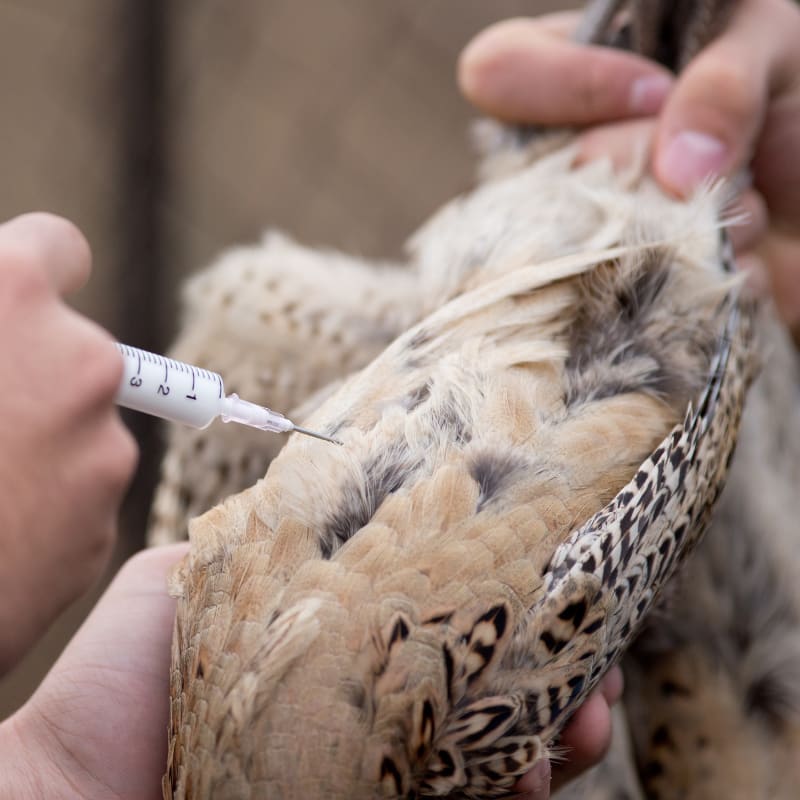
Pullets are often vaccinated for viruses associated with hepatitis. This allows them to build immunity to the virus which can be passed down to the chicks. Due to this horizontal transmission of immunity, both the mother and the chick are protected by virus neutralizing antibody titers. This can be defined as having a high enough number of specialized immune cells capable of fighting off a specific pathogen.
Your birds can also get hepatitis from another poultry house. If you bring contamination in from other birds, your flock could easily become infected too. Even more frustrating is that wild birds can leave infected droppings near your house. If you step in it, it can get in your house and cause an outbreak. Once hepatitis is in your house, you can’t really get it out. This is where biosecurity really comes into play!
Supportive Care for Inclusion Body Hepatitis
As with many virus infections, there is no treatment for IBH, despite advancement in veterinary medicine. Instead, you can help your birds become less vulnerable to IBH or help them simply get through it without facing devastating mortality. Two of the best ways to do this are to make your birds’ immune system as strong as possible and protect their liver health.
Another option is getting rid of litter to disinfect it. But the best option is to be proactive- how can we build the birds’ immune system so they can live through hepatitis?
Building the Immune System
Ideally, all commercial birds would have virus neutralizing antibody titers to hepatic viruses. However, in cases where this in not true, there are other options to support their immune response. Make sure water is clean and they have the feed they need, and give them vitamins and probiotics if your integrator allows.
Vitamins D, E, C and B are especially important for liver health. For example, hepatitis can impact a chicken’s bone density, so having enough vitamin D can help birds protect their bones from strong adverse effects. All of these vitamins are available in our poultry multivitamin, Catalyst.
Adding a probiotic supplement to your birds’ diet can also help them survive viruses like hepatitis by strengthening their immune systems and overall health.
Connect with us!
If you have any questions for us, please reach out to us at allen@southlandorganics.com or give us a call at 800-608-3755.
Written by
Content Manager (Former)
Agricultural content specialist • Poultry industry researcher
Isabella served as Content Manager at Southland Organics, creating educational resources that help farmers understand and implement organic solutions for poultry, turf, and agriculture.
View full profileReviewed by

Founder & CEO
20+ years in organic agriculture • Humate & soil biology specialist
With years of experience in humate deposits and soil biology, Mike brings practical knowledge from the field to every conversation. He founded Southland Organics to create sustainable solutions that work with nature, not against it.
View full profile

