

What is surface tension?
Imagine it’s a hot day and you are sitting on the front porch with a glass of water—if you’re here in Georgia, maybe a glass of sweet tea! The longer you sit outside, the more you start to notice round beads of water forming on the outside of your glass. Those beads are being held together and in shape by something called surface tension.
Surface tension can be generally defined as tension on the surface of a liquid caused by the attraction of the particles in the surface layer. Basically, molecules of a fluid that are in contact with air pull on each other harder than those only in contact with other fluid molecules.
But why does that matter? Understanding surface tension is the first step in understanding the role of surfactants in our everyday lives!
What is a surfactant?
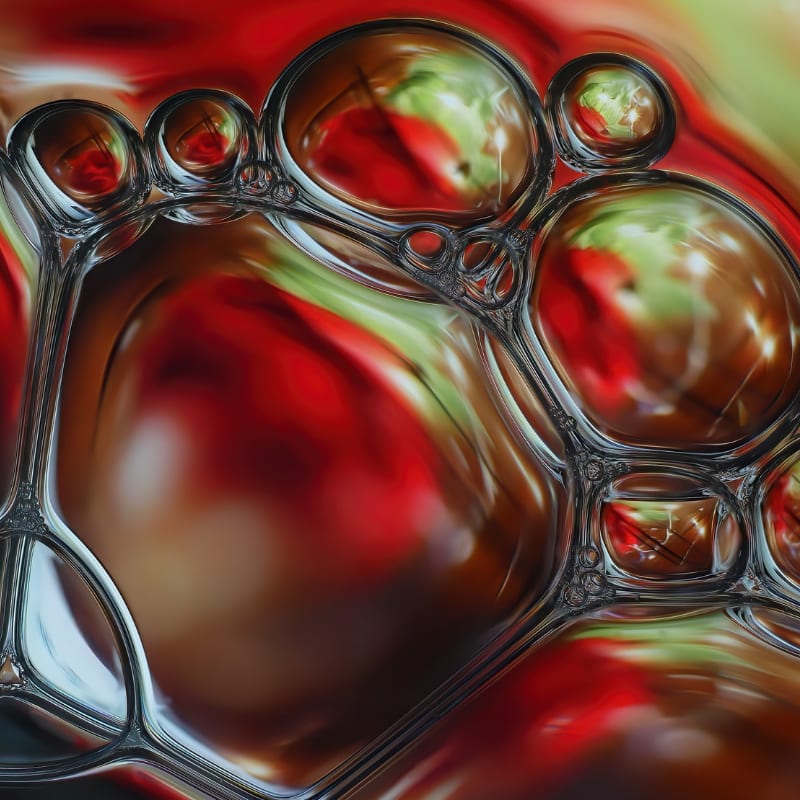
Surfactant is short for surface active agents. These are amphiphilic molecules, which means they have a hydrophobic or “water-hating” tail and a hydrophilic or “water-loving” tail.
Because of this unique chemistry, these amphiphilic molecules exist at the interface between oil and water. They make it possible for the two to mix by reducing surface tension. This is why you will hear surfactants referred to as “wetter than wet.” They can reach places water would not be able to!
Surfactants in our Everyday Lives
These complex little molecules make our lives easier every day! The last time you washed your clothes or your hair, you used a surfactant. Have you used drain cleaner or makeup recently? Those both contain surfactants. As a matter of fact, your body even makes surfactants of its own. Every time you breathe, pulmonary surfactants are the reason your lungs are able to expand and exchange air without causing damage!
Surfactants in Our Products
Several products manufactured here at Southland Organics contain surfactants of some type. Fulvic acid is a naturally occurring surfactant found in many of our poultry, lawn and garden products.
Surfactants for Soil Health
Fulvic acid is able to work its way through hardened soil and thatch to soften the ground and aerate the soil. This allows the plants—whether row crops, gardens or front lawns—to grow stronger, more efficient root systems!
We manufacture products for both lawn and garden soil health, including Omega Soil Activator, Revival Liquid Lawn Aerator and Jump Start Soil Conditioner.
Surfactants for Bird Health
In birds, surfactants work to improve gut function by breaking down biofilms built by harmful bacteria. This makes it easier for the bird to absorb nutrients and perform to the best of their ability.
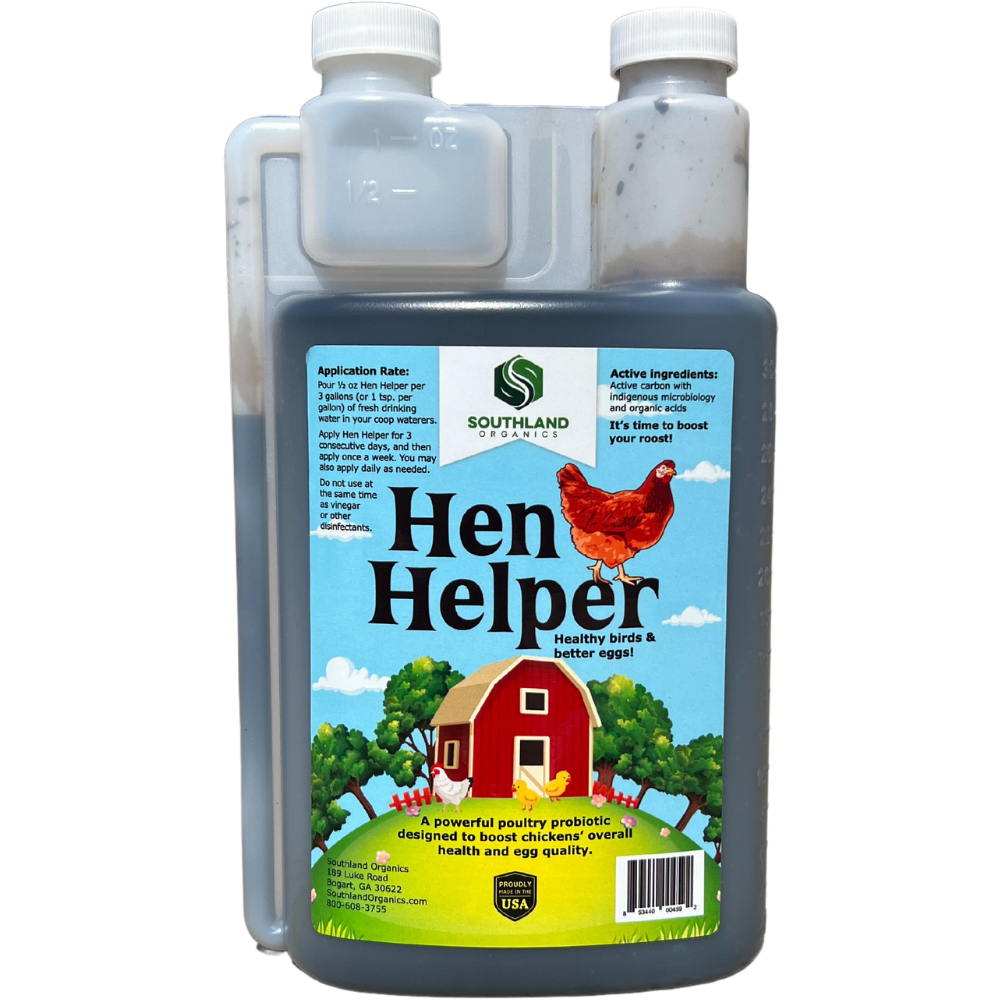
One of our most popular products for backyard chicken flocks is Hen Helper, powered by surfactant and probiotics. Hen Helper strengthens bird immunity, egg production and egg quality.
Surfactants for Waste Breakdown
Surfactants’ ability to break surface tension make them a great tool for eliminating biofilm and waste buildup. Our product PORT is used in septic tanks, RV holding tanks and outdoor toilets to quickly break down waste and eliminate odors.
What is a surfactin?
One exceptionally unique type of surfactant we use here is referred to as a surfactin. Surfactins are extremely powerful surfactants produced by strains of B. subtilis bacteria. In nature, Bacillus produce this chemical as a form of chemical warfare to occupy a space and kill competing species.
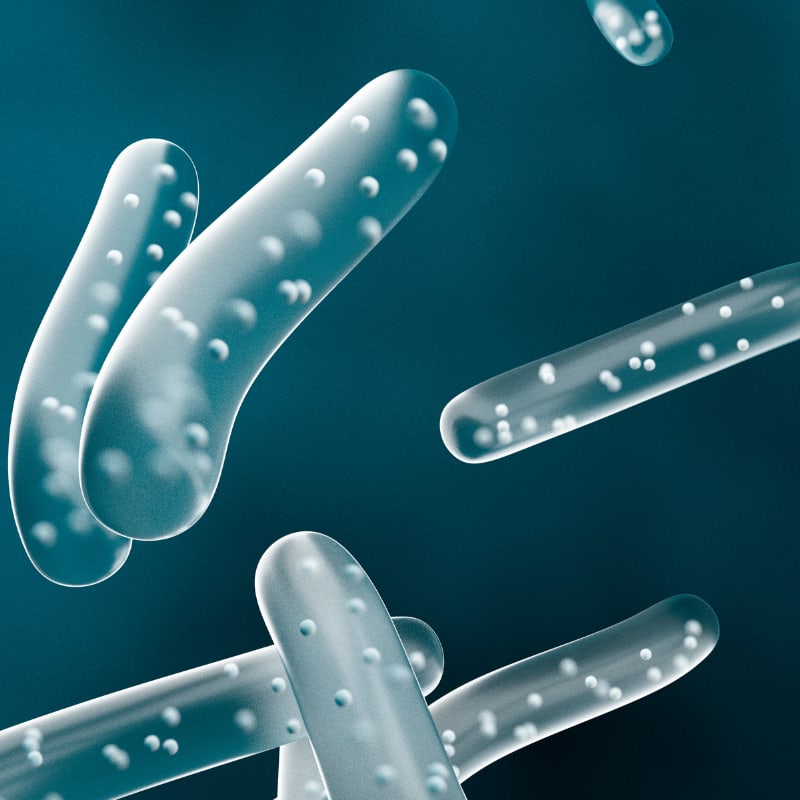
For this reason, surfactins are most commonly used as an antibiotic against species other than Bacillus! Similar substances have been shown to have antiviral as well as antifungal effects.
However, here at Southland Organics, we use this surfactin as a component in soaps as well as a powerful agent against biofilm formations.
What’s the difference between surfactants and surfactins?
So to sum up the difference between surfactant and surfactin: Surfactants include molecules that allow them to be “wetter than water” and reach places water can’t. A surfactin is a super strong surfactant powered by bacteria. Both surfactants and surfactins can be found in our products, making them naturally effective methods for improving poultry, grass, crops and waste breakdown!
Ta-da! You use basic chemical principles every day and didn’t even know it.
Want more fun facts?
Read some of our other articles to learn more about the science behind our products as well as advice on gardening, lawn care and raising chickens. Don’t forget to like and subscribe to our YouTube channel for updates.
If you have any questions, you can email us at success@southlandorganics.com or call us at 800-608-3755.
Written by
Content Manager (Former)
Agricultural content specialist • Poultry industry researcher
Isabella served as Content Manager at Southland Organics, creating educational resources that help farmers understand and implement organic solutions for poultry, turf, and agriculture.
View full profileReviewed by

Founder & CEO
20+ years in organic agriculture • Humate & soil biology specialist
With years of experience in humate deposits and soil biology, Mike brings practical knowledge from the field to every conversation. He founded Southland Organics to create sustainable solutions that work with nature, not against it.
View full profile

